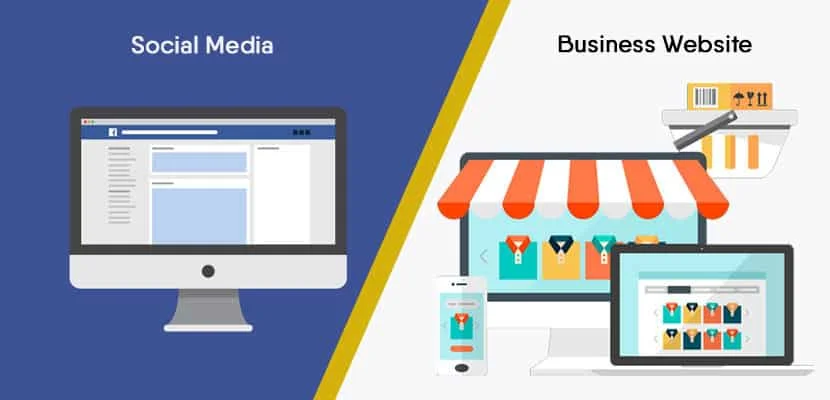
Website vs Social Media — Why Businesses Need Both
February 10, 2026
Why Business Website Increase Customer Trust in Pakistan
February 11, 2026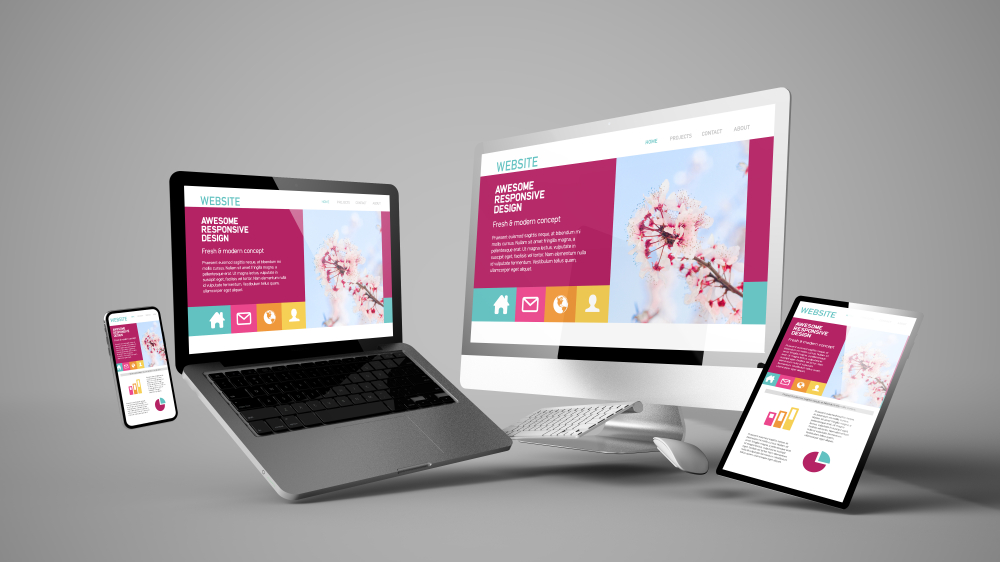
How a Professional Website Builds Customer Trust
In today’s digital economy, trust is everything. Customers no longer walk into a shop to judge a business; instead, they visit a website. Within seconds, visitors decide whether a brand is reliable, professional, and worth their money. For small and medium-sized enterprises (SMEs), a professional website is not a luxury—it is a necessity.
A well-designed website acts as a digital storefront, brand ambassador, and trust-building tool all at once. This blog explores how a professional website builds customer trust, why online reputation matters, real brand credibility examples, and why SMEs must prioritize professional web design to compete in a crowded market.
Why Customer Trust Matters in the Digital World
Trust is the foundation of every successful business relationship. Online, where customers cannot physically see products or meet business owners, trust becomes even more critical.
Research consistently shows that users:
- Judge a business’s credibility based on website design
- Avoid companies with outdated or poorly structured websites
- Prefer brands that look professional and transparent online
If your website fails to create confidence, visitors will leave—often straight to a competitor.
First Impressions: The Power of Professional Web Design
A professional website creates a strong first impression. Clean layouts, consistent branding, fast loading speed, and mobile responsiveness signal reliability and competence.
Key design elements that build trust include:
- Modern, clutter-free layout
- High-quality images and graphics
- Easy navigation
- Clear call-to-action buttons
When a website looks professional, users subconsciously associate that professionalism with the quality of the business itself.
Brand Credibility Starts With a Strong Online Presence
What Is Brand Credibility?
Brand credibility refers to how trustworthy and believable a business appears to its audience. A professional website plays a central role in shaping this perception.
A credible website clearly communicates:
- Who you are
- What you offer
- Why customers should trust you
Without this clarity, visitors feel uncertain—and uncertainty kills conversions.
Brand Credibility Examples
Consider two businesses offering the same service:
Business A
- Has a modern website
- Displays testimonials and case studies
- Uses a secure domain (HTTPS)
- Clearly lists contact details and company information
Business B
- Has no website or a poorly designed one
- Only operates through social media
- Lacks clear pricing, policies, or business background
Most customers will choose Business A, even if Business B is cheaper. This is the power of brand credibility built through a professional website.
Transparency Builds Confidence
Professional websites promote transparency, which is essential for trust. Pages like:
- About Us
- Contact Us
- Privacy Policy
- Terms & Conditions
show that a business is legitimate and accountable.
For SMEs, transparency helps overcome buyer hesitation. Customers want to know there are real people behind the brand and that they can reach you if needed.
Online Reputation Importance for Businesses
Your Website Is the Center of Your Online Reputation
While social media and review platforms contribute to reputation, your website is the central hub that ties everything together.
A professional website allows you to:
- Showcase customer reviews and testimonials
- Highlight certifications, awards, and partnerships
- Publish case studies and success stories
This controlled environment helps shape public perception positively.
Managing Trust Signals Effectively
Trust signals are elements that reassure users your business is safe and reliable. These include:
- SSL certificates (HTTPS)
- Client logos
- Star ratings
- Secure payment gateways
- Professional email addresses
When these elements are missing, customers may fear scams or poor service—even if your business is genuine.
Content Quality: Educating Builds Trust
High-quality content plays a major role in trust-building. Blogs, FAQs, and service pages that provide clear and helpful information position your business as an authority.
Educational content helps:
- Answer customer questions
- Reduce uncertainty
- Improve SEO rankings
- Establish industry expertise
When users find value on your website, they begin to trust your brand naturally.
The SME Business Perspective: Competing With Bigger Brands
Small and medium-sized businesses often assume they cannot compete with large corporations online. In reality, a professional website levels the playing field.
Why SMEs Need Professional Websites More Than Ever
For SMEs, a website:
- Acts as a 24/7 salesperson
- Builds legitimacy against larger competitors
- Reduces dependency on marketplaces or social media
- Attracts local and organic traffic through SEO
A well-optimized website allows SMEs to look just as credible as established brands—sometimes even more trustworthy due to personal branding and local relevance.
Local Trust and Community Connection
SMEs often rely on local customers. A professional website with:
- Local SEO optimization
- Google Maps integration
- Local testimonials
helps build community trust and improves visibility in local search results.
Mobile-Friendly Design Builds Modern Trust
Today, most users browse websites on mobile devices. A professional website must be fully responsive.
If your site:
- Loads slowly on mobile
- Breaks layouts
- Has unreadable text
users will assume your business is outdated or unreliable. Mobile optimization is no longer optional—it is a trust requirement.
Security and Data Protection Increase Confidence
Customers are increasingly aware of data privacy and online security. A professional website shows that you take security seriously.
Essential security elements include:
- SSL encryption
- Secure forms
- Privacy policies
- Trusted payment processors
For SMEs handling customer data, these features are critical to gaining and maintaining trust.
SEO and Trust Go Hand in Hand
Search engine optimization is not just about rankings—it’s also about credibility. Websites that appear on the first page of search results are automatically perceived as more trustworthy.
Professional websites:
- Follow SEO best practices
- Load faster
- Provide structured content
- Offer better user experience
This combination improves both visibility and customer confidence.
Consistent Branding Across All Pages
Consistency builds recognition and trust. A professional website maintains uniform:
- Colors
- Fonts
- Messaging
- Tone of voice
Inconsistent branding creates confusion, while consistent branding strengthens identity and reliability.
Long-Term Trust Leads to Long-Term Growth
Trust doesn’t just convert first-time visitors—it creates repeat customers and referrals. A professional website supports long-term growth by:
- Building lasting relationships
- Encouraging repeat visits
- Supporting email marketing and retargeting
For SMEs, this long-term trust translates into sustainable revenue.
Final Thoughts
A professional website is one of the most powerful trust-building tools a business can have. It strengthens brand credibility, supports online reputation, and helps SMEs compete in an increasingly digital marketplace.
In an era where customers research before they buy, your website often speaks before you do. If it communicates professionalism, transparency, and reliability, trust follows naturally.
For businesses looking to grow, invest, and scale, the message is clear: a professional website is not just about looks—it’s about trust.