Why WordPress Remains a Powerful Choice for Modern Web Development
December 17, 2025
How a Professional Website Builds Customer Trust
February 10, 2026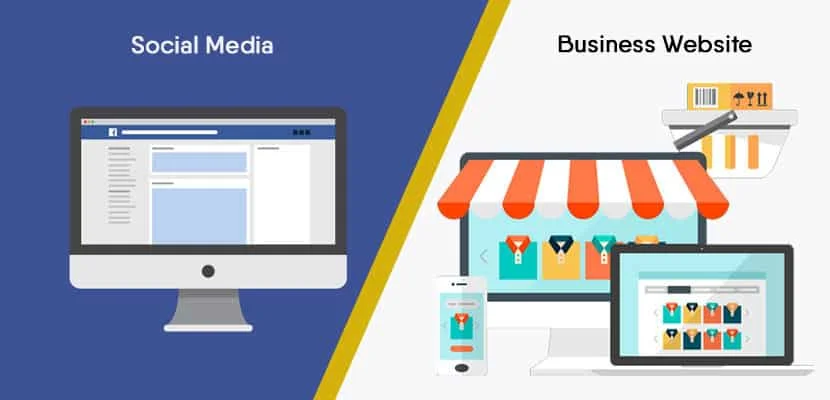
Website vs Social Media — Why Businesses Need Both
In today’s digital-first world, businesses often face a common question: Should we focus on a website or social media? With platforms like Facebook, Instagram, TikTok, and LinkedIn dominating online attention, some business owners believe a website is no longer necessary. Others invest heavily in a website but ignore social media altogether.
The truth is simple: a successful digital strategy doesn’t choose between a website and social media—it uses both together. Each plays a different role, and when combined, they create a powerful online presence that drives traffic, builds trust, and increases sales.
In this blog, we’ll break down the difference between websites and social media, their advantages, limitations, and why businesses need both to grow sustainably.
Understanding the Difference Between a Website and Social Media
Before comparing, it’s important to understand what each platform actually does.
A website is your business’s digital home. It’s a place you fully own and control, where customers can learn about your services, view products, read blogs, contact you, and make purchases.
Social media platforms, on the other hand, are engagement and promotion channels. They allow businesses to connect with audiences, share updates, run ads, and build communities—but they are owned by third-party companies.
Think of it like this:
- Your website is your office or store
- Social media is the billboard and conversation outside
Both are important—but they serve different purposes.
Why a Website Is Essential for Every Business
1. Full Ownership and Control
A website is an asset you own. You control the design, content, structure, and functionality. Social media platforms can change algorithms, reduce reach, or even suspend accounts without notice—but your website remains yours.
Having a website ensures your business is not dependent on one platform’s rules.
2. Builds Trust and Credibility
Customers trust businesses with professional websites more than those operating only on social media. A well-designed website signals legitimacy and professionalism.
Key trust elements include:
- Custom domain (yourbusiness.com)
- About Us page
- Customer testimonials
- Secure contact forms
- Clear service or product details
Without a website, many potential customers may hesitate before doing business with you.
3. Strong SEO and Long-Term Traffic
One of the biggest advantages of a website is search engine optimization (SEO). A properly optimized website can rank on Google and bring in organic traffic 24/7.
Blogs, service pages, and landing pages allow you to target keywords like:
- Website development services
- Online business solutions
- Digital marketing agency near me
Social media posts are short-lived, but website content can generate leads for years.
4. Better Conversions and Sales
Websites are built to convert visitors into customers. You can:
- Add lead forms
- Create sales funnels
- Offer online payments
- Track user behavior
Social media attracts attention—but websites close the deal.
The Power of Social Media for Businesses
1. Direct Audience Engagement
Social media allows businesses to interact directly with their audience. Likes, comments, shares, and messages create two-way communication that builds relationships.
This engagement helps businesses:
- Answer customer questions quickly
- Receive feedback
- Build brand personality
- Stay top of mind
2. Brand Awareness and Visibility
Social media platforms are ideal for increasing brand exposure. With consistent posting and visual content, businesses can reach thousands of users daily.
Features like reels, stories, and live videos make it easier to showcase products, behind-the-scenes moments, and promotions.
3. Fast and Cost-Effective Marketing
Compared to traditional advertising, social media marketing is affordable and scalable. Even small businesses can run targeted ads based on:
- Location
- Interests
- Age
- Behavior
Paid social media campaigns can drive instant traffic, leads, and sales—especially when linked to a high-converting website.
4. Builds Community and Loyalty
Social media helps businesses create a community around their brand. Regular updates, valuable content, and engagement build trust and long-term loyalty.
Customers who follow and interact with your brand are more likely to recommend you and become repeat buyers.
Website vs Social Media: Key Differences
| Feature | Website | Social Media |
|---|---|---|
| Ownership | Fully owned | Platform-controlled |
| SEO Benefits | Strong | Limited |
| Longevity | Long-term | Short-lived posts |
| Customization | Unlimited | Limited |
| Engagement | Moderate | High |
| Conversion | High | Medium |
This comparison makes one thing clear: neither can replace the other.
Why Businesses Need Both Website and Social Media
1. Social Media Drives Traffic to Your Website
Social media acts as a traffic source. Posts, ads, and stories can direct users to:
- Service pages
- Blog posts
- Product pages
- Contact forms
Without a website, social media traffic has nowhere meaningful to convert.
2. Website Supports Social Media Credibility
When people discover your business on social media, they often search for your website to verify legitimacy. A missing or poorly designed website can result in lost trust—and lost customers.
A strong website reinforces your brand image across all platforms.
3. Better Lead Generation Strategy
Social media captures attention, while websites capture data. Combining both allows you to:
- Run ads on social media
- Send users to landing pages
- Collect emails and inquiries
- Nurture leads through follow-ups
This strategy significantly increases conversion rates.
4. Consistent Branding Across Channels
A website and social media working together ensure consistent branding. Colors, messaging, tone, and offers remain aligned, creating a professional and recognizable identity.
Consistency builds confidence and brand recall.
5. Reduced Risk and Platform Dependency
Relying only on social media is risky. Algorithm changes, account restrictions, or platform decline can damage your business overnight.
A website acts as a safety net and long-term foundation, ensuring stability regardless of social media changes.
Best Strategy: How to Use Website and Social Media Together
To get the best results, businesses should:
- Use social media for awareness and engagement
- Use websites for information, SEO, and conversions
- Share blog content from the website on social platforms
- Link social media profiles on the website
- Use consistent CTAs across all channels
This integrated approach maximizes reach, trust, and revenue.
Final Thoughts
The debate of website vs social media is not about choosing one over the other. In today’s competitive digital landscape, businesses that rely on only one platform limit their growth potential.
A website provides ownership, credibility, SEO, and conversions, while social media offers engagement, visibility, and instant reach. Together, they create a complete digital ecosystem that supports long-term success.
If your business wants sustainable growth, stronger branding, and higher conversions, the answer is clear: you don’t need a website or social media—you need both.